Kensington and Chelsea Council parking permits for removals
Posted on 22/06/2026
Kensington and Chelsea Council parking permits for removals: a practical guide for a smoother moving day
If you are moving in or out of Kensington or Chelsea, parking can become the awkward bit that suddenly takes over the whole day. Narrow streets, busy bays, permit zones, neighbours trying to squeeze past, and a van that really needs to stop as close as possible - it all adds up. That is where Kensington and Chelsea Council parking permits for removals come in. Used properly, they can save time, reduce stress, and help your move stay on the right side of local parking rules.
This guide explains what the permits are for, when they matter, how the process usually works, and the practical steps that make a real difference on moving day. We will also cover common mistakes, best practice, and a simple checklist you can use before the van arrives. If you are planning a house move, a flat move, or even a last-minute relocation, this should help you feel a lot more in control. And honestly, that calm feeling is worth a lot when boxes are everywhere and the kettle is missing.
Why Kensington and Chelsea Council parking permits for removals Matters
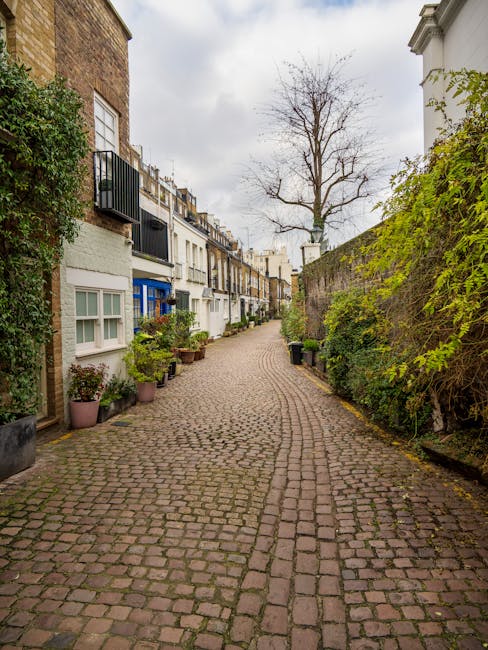
Moving in Kensington and Chelsea is not the same as moving in a quieter suburb with broad roads and easy driveways. In many parts of the borough, parking is limited, bays are tightly managed, and even a short stop can become a problem if it is not planned properly. Removal vehicles are bigger than normal cars, they need room to load safely, and they often need that room at the exact moment the building lift is free or the crew is ready to carry.
That is why parking arrangements matter so much. A permit or parking arrangement can help create a legal, practical stopping point near your property. Without it, a van may need to park further away, circle the block, or risk a penalty. None of that is ideal when you have a sofa, a wardrobe, or a pile of boxed kitchenware waiting downstairs.
There is also the human side of it. A move already feels busy and a bit exposed. You are juggling keys, landlords, estate agents, lift bookings, and half a dozen decisions you did not really want to make before 9 a.m. A clear parking plan reduces that noise. It helps the move feel organised rather than improvised.
If your move includes awkward access or tight streets, the parking issue becomes even more important. That is especially true around central London routes where a van cannot just pull over anywhere. For local access-heavy jobs, our guide on Gloucester Road narrow-access removals is a helpful companion read, because access and parking often go hand in hand.
Key point: the permit is not just paperwork. It is part of the logistics of the move itself.
How Kensington and Chelsea Council parking permits for removals Works
In simple terms, a removal parking permit or temporary parking arrangement is there to help a removal vehicle stop legally in an area where parking is otherwise restricted, controlled, or limited. The exact setup can vary depending on the street, the property, and the time of day. In practice, the process usually starts with checking what restrictions apply outside your building and whether a special arrangement is needed for the van.
Sometimes the move can be managed through standard loading rules, but that is not something to assume. In a borough like Kensington and Chelsea, assumptions can be expensive. The safest approach is to check the local parking conditions well before moving day and work out whether the removal vehicle needs a specific permit, a loading bay plan, or timing that fits around restrictions.
Here is the general flow most people follow:
- Confirm the moving date and time.
- Check the street outside both properties, not just one.
- Find out whether parking bays, controlled zones, or loading restrictions apply.
- Decide whether the move needs a permit or another parking arrangement.
- Give the removal company full access details early, including road name, bay type, and any height or width restrictions.
- Keep evidence of the parking arrangement or approval available on the day.
The practical reality is that parking for removals is rarely a one-size-fits-all matter. A ground-floor flat on a wide road is one thing. A third-floor walk-up behind a narrow terrace with timed bays is another. The more details you gather early, the less likely the day is to wobble.
If your move is urgent, same-day planning can still work, but it needs tighter coordination. You may find our same-day removals support in South Kensington useful if you are trying to keep everything moving at speed.
Key Benefits and Practical Advantages
Getting the parking side right gives you more than a tidy box ticked on a checklist. It affects timing, safety, and cost. In our experience, people often focus on packing and forget that a van still needs somewhere sensible to sit while the heavy lifting happens. That is where the real-world value shows up.
- Less risk of parking penalties: the vehicle is less likely to be caught out by local restrictions.
- Shorter carrying distance: the closer the van can park, the less time the team spends walking boxes up and down the street.
- Safer handling: fewer long carries can reduce strain, slips, and awkward manoeuvres.
- Better timing: the crew can work around lifts, building access windows, and loading periods more effectively.
- Lower stress: everyone knows where the van is going and when it can stop.
- Cleaner coordination: neighbours, concierge teams, and building managers are less likely to complain if the move is properly planned.
There is also a knock-on cost benefit. A move that runs late because the van cannot park properly can create extra labour time, extra waiting, or a second trip. That is one of those sneaky moving costs that people tend to underestimate. If you want to understand how those hidden additions creep in, the article on avoiding hidden fees in South Kensington removal quotes is worth a look.
Practical takeaway: a good parking plan protects both the move and the budget.
Who This Is For and When It Makes Sense
This topic matters to more people than you might think. It is not only for large household removals with a big lorry. In fact, many small or medium moves in Kensington and Chelsea still need careful parking planning because the area is dense and the roads are often busy.
You are likely to need to think seriously about parking permits or temporary parking arrangements if you are:
- moving from a flat with street-side loading only;
- moving into a mansion block or managed building with access rules;
- using a van for a same-day move;
- handling office equipment, furniture, or specialist items;
- moving from a student property near a busy road;
- working around school-run traffic, weekend congestion, or event-day disruption;
- moving a piano, large wardrobe, or other awkward item that needs close access.
It also makes sense if you are dealing with a property sale or purchase and the move day is tied to completion timing. A delay of even thirty minutes can throw off the rhythm of the day. If you are in that stage, our Kensington property sales guide may help you think through the wider moving timeline, not just the vehicle side of things.
For students, the situation is slightly different but still important. Student moves are often fast, compressed, and a bit improvised. That is exactly when parking gets forgotten. If that sounds familiar, our short-notice student move guide can be especially useful.
Step-by-Step Guidance
Here is the simplest way to handle Kensington and Chelsea Council parking permits for removals without overcomplicating it.
- Check the street rules early. Look at whether the road has pay-and-display bays, resident bays, loading bays, red lines, timed restrictions, or suspension requirements. Do not wait until the day before. By then, you are already in a rush.
- Measure the access properly. Think about width, turning space, and how close the van can realistically get. A street may look fine on foot and still be a nightmare for a long wheelbase van.
- Ask the removal company what they need. A good mover will want details about the property entrance, lift availability, the number of items, and parking conditions. If you are comparing providers, our removal companies in South Kensington page can help you think through service quality and planning.
- Confirm any permit or booking process. If a permit, bay booking, or controlled parking arrangement is needed, sort it early enough to avoid a last-minute scramble.
- Share the plan with everyone involved. That includes the removal team, anyone meeting you at the property, and sometimes the building manager or concierge.
- Prepare paperwork and evidence. Keep confirmation details accessible on your phone and in print if needed. Yes, paper still matters sometimes. A bit old-school, but useful.
- Recheck on the morning of the move. Streets change. Temporary works appear. Roadworks, bins, delivery vans, and neighbour cars all have a habit of complicating things.
If you are also arranging packing and supplies, it can help to combine the parking plan with a packing timeline. Our packing and boxes support is a good companion for staying organised without turning the move into chaos.
A small but important tip: make sure the person holding the keys knows the access plan. We have seen moves delayed because one person thought the van could stop outside, while another assumed it was parking two streets away. Small mismatch, big headache.
Expert Tips for Better Results
Over the years, the best results usually come from people who treat the parking question as part of the move plan rather than an afterthought. That sounds obvious, but you would be surprised how often it is left too late.
1. Build in a time buffer. If the van needs to arrive at 8:00, aim to have the parking setup sorted before that. Not after breakfast. Before. One small delay in central London can snowball quickly.
2. Match the van size to the street. Bigger is not always better. In some streets, a compact van with easier manoeuvrability is much more sensible. If you are unsure, our man with van South Kensington and removal van options can help you think about the right vehicle for the access conditions.
3. Plan around residents and deliveries. Early mornings can be quieter, but they are not always the answer. Midday may clash with deliveries. Late afternoon can mean school traffic. There is no magic slot. Just choose the least bad one.
4. Keep a fallback option. If the nearest bay is blocked, know where the next sensible stopping point is. A driver who already knows the backup plan is far calmer than one looping around with hazard lights on.
5. Use an experienced local team. Local knowledge matters. A team familiar with the borough will usually anticipate the awkward bits more quickly. If you are comparing support options, see the broader range of removal services in South Kensington and the company's services overview for a sense of what is available.
6. Protect fragile items with a realistic loading plan. If the van is parked a little further away than ideal, make sure the team knows which items should go in first, and which should wait. That saves back-and-forth.
Expert summary: good parking planning is really just good moving planning. It reduces risk, keeps the day on time, and stops small access issues from becoming expensive ones.

Common Mistakes to Avoid
Most problems with removal parking are predictable. The tricky part is that they only look small until the move is underway. Then they become everyone's problem at once.
- Leaving parking until the last minute. This is the big one. By then, options shrink fast.
- Assuming a loading bay is automatically available. It might not be, and even if it is, there may be time limits.
- Forgetting the return trip. Some people plan the outgoing move and ignore the arrival at the new address. Both ends need attention.
- Not telling the mover about restrictions. If the crew does not know about a narrow street or controlled zone, they cannot plan properly.
- Choosing the wrong vehicle size. An oversized van can create more trouble than it solves in tight streets.
- Ignoring building rules. Lifts, concierge desks, time windows, and service entrances can matter just as much as the street itself.
- Expecting "someone will sort it on the day". That is a lovely thought. Not a great strategy.
One more thing people miss: street furniture and traffic flow. A van may legally stop in a place but still create a miserable bottleneck if it blocks bins, a school gate, or a narrow junction. That is where complaints start. Best avoided.
Tools, Resources and Recommendations
You do not need complicated software to plan parking for a removal. A few simple tools and habits are enough.
- A street view check: look at the road and nearby side streets before the move. You are trying to spot bay types, turning room, and obvious access issues.
- A printed or saved moving plan: keep the move time, address, contact numbers, and parking notes in one place.
- A floor plan or room list: useful for the removal team, especially if the van cannot stop directly outside.
- Photo notes: a quick photo of the street, entrance, or loading spot can be surprisingly helpful for a driver or mover.
- Building contact details: concierge or managing agent numbers can save time if access needs confirming on the day.
If you are still deciding which kind of help suits your move, the following service pages may be useful as part of your planning:
- house removals in South Kensington
- flat removals in South Kensington
- office removals in South Kensington
- student removals in South Kensington
- piano removals in South Kensington
If storage becomes part of the picture because completion dates or access timing do not line up neatly, it can also help to review storage options. That sort of flexibility can take the pressure off, especially in a property move that keeps shifting by a day or two.
Law, Compliance, Standards, or Best Practice
This is the part many people skip, and then regret later. While the exact parking arrangement depends on the street and the type of restriction in place, the broader principle is straightforward: you should not park or stop a vehicle in a way that breaches local restrictions, blocks access, or creates a safety issue. In a controlled area, a removal vehicle should be planned in line with the applicable parking rules, not guessed.
Best practice is to treat the move as a temporary worksite of sorts. That means clear access, careful timing, safe lifting, and respect for the building, neighbours, and highway rules. It also means the removal team should be fully briefed on access hazards and parking conditions before they arrive.
For anyone organising a move professionally or semi-professionally, it is sensible to keep a written record of the agreed parking plan, any time windows, and any special instructions from the building or managing agent. It may feel a bit formal, but it prevents misunderstandings. And misunderstandings, as you probably know, are what cost time.
If the moving crew is handling awkward or heavy items, you should also expect them to follow sensible safety practices. Our insurance and safety information and health and safety policy are useful for understanding the standards a careful removal service should be working to.
Best practice in plain English: plan parking early, communicate clearly, and do not rely on luck.
Options, Methods, or Comparison Table
There are a few ways removal parking in Kensington and Chelsea is usually handled. The right option depends on the street, the property, and how much time you have before moving day.
| Method | Best for | Pros | Watch-outs |
|---|---|---|---|
| Pre-arranged permit or bay setup | Busy streets with controlled parking | More predictable, less risk of parking issues | Needs planning ahead and accurate details |
| Using a loading bay within rules | Shorter moves or timed loading | Convenient if the bay is truly suitable | Time limits and availability can be tight |
| Short stop with a compact van | Tighter streets with limited space | Often easier to position and manoeuvre | May not suit larger loads |
| Remote parking with longer carry | When close access is impossible | Can still work if the team is prepared | Slower, more physical, more time-consuming |
For most people, the best option is whichever one gives the mover enough room to work safely without forcing a gamble. A permit is not always the answer. Sometimes the smarter move is a smaller vehicle, a better time window, or a slightly different loading strategy.
If you are comparing move types, our pages on man and van services and man with a van support may help you decide whether a lighter-touch move or a fuller removal service is the better fit.
Case Study or Real-World Example
Here is a very typical Kensington scenario. A couple are moving from a second-floor flat near a busy side street. They have a decent amount of furniture, a few fragile boxes, and a small window for access because the lift is shared with other residents. The street outside has restricted parking and the nearest sensible stopping point is not directly by the entrance.
At first, they assume the driver can just "pull up for a moment". That sounds fine until you picture the reality: another vehicle in the bay, a narrow lane, and the risk of the van being forced to park further away. Nothing dramatic, but enough to slow the whole process down. The fix was simple in principle: confirm the street restriction, brief the mover properly, and choose a loading approach that matched the road rather than the wishful thinking.
On the day, the team arrived with a clear plan. Boxes were staged in the right order, the heavier furniture went out first, and the route from the flat to the van was kept as short as possible. It was not glamorous. There was a bit of sweat, a bit of muttering, and one slightly stubborn wardrobe that needed an extra awkward pivot. But the move finished on schedule, with no parking drama and no last-minute scrambling for a new stopping point.
That is the quiet win most people are after. Not perfection. Just a move that works.
Practical Checklist
Use this checklist before moving day. It is short on purpose.
- Confirm the exact move date and time.
- Check parking restrictions at both the old and new addresses.
- Identify whether a permit, loading bay, or timed stop is needed.
- Tell the removal company about narrow roads, one-way streets, or access issues.
- Confirm building rules, lift bookings, and any access windows.
- Prepare parking confirmation details and keep them handy.
- Share the final plan with everyone involved.
- Arrange fragile items and heavy items so loading is efficient.
- Have a backup plan if the nearest bay is occupied.
- Recheck everything on the morning of the move.
If you want broader help with the moving process, our removals in South Kensington page is a sensible next stop, especially if you are comparing full-service support with smaller move options.
Conclusion
Kensington and Chelsea Council parking permits for removals are not just an admin detail. They are part of what makes a move smooth, legal, and manageable in a borough where space is at a premium and timing matters. If you plan early, brief the mover properly, and match the vehicle and parking plan to the street, you give yourself a much better chance of an easy day.
The big lesson is simple: do the small things before they become big things. That means parking, access, timing, and communication. Get those right and the rest of the move tends to behave itself a lot better. Well, most of the time.
If you are planning a move soon and want help thinking through the right service, timing, and access setup, take a moment to review the options and get advice before the pressure is on.
Get a free quote today and see how much you can save.


 CALL US NOW


